.
The True Price of Taking Shortcuts in PPC Advertising
When prospective clients come to us, we usually find that Pay-Per-Click (PPC) advertising is often seen as the shortcut to instant traffic and the holy grail of digital marketing. After all, it’s tempting to think that you can launch a PPC campaign, spend some budget and immediately start generating conversions. However, this perception overlooks one critical aspect of PPC… it’s not a “set it and forget it” solution.
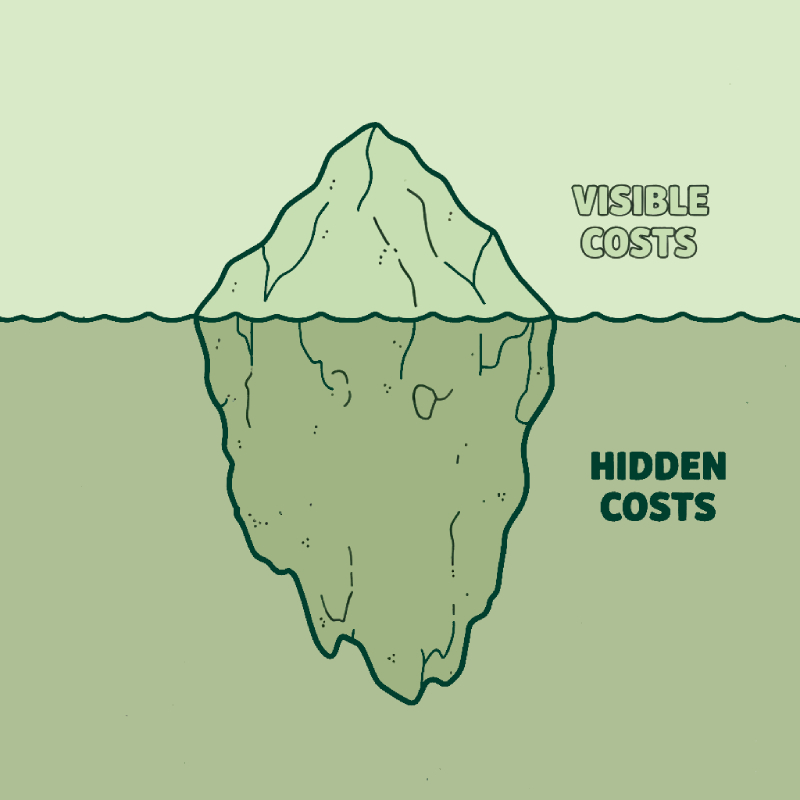
In fact, rushing into any sort of paid media campaign without proper planning, strategy and patience can result in hidden costs that undermine your campaign’s effectiveness, drain your marketing budget and set you back against competitors.
In this article, we’ll explore the common mistakes businesses make when they treat PPC as a quick fix and the hidden costs that come with this approach. From wasted ad spend to long-term brand damage, we’ll break down how to avoid these pitfalls and maximise your ROI with a strategic, patient and data-driven approach.
Why PPC is Often Viewed as a Quick Fix
Let’s face it, PPC advertising is often seen by SME business owners as the easy way to gain visibility and generate immediate results. You set a budget, create some ads and wait for the traffic to roll in, right? But this quick-fix mindset is a misconception. The reality is that paid media campaigns run on platforms like Google Ads, Microsoft Ads or even LinkedIn, require time, effort and strategic planning to succeed.
It’s Seen as the Pot of Gold
The promise of other agencies selling you instant visibility and revenue makes PPC particularly attractive to businesses looking to gain a competitive edge quickly. After all, unlike organic search, which can take a longer time to yield results, paid search campaigns provide rapid exposure, especially when targeting highly specific keywords or demographics.
But this speed can also create a false sense of security.
Many businesses expect immediate conversions without considering the crucial steps that need to be taken before their campaigns can reach optimal performance.
Common Misconceptions
One of the most common misconceptions about PPC is that it’s a “plug and play” solution. This is far from the truth if you ask our paid media department. Setting up a campaign is fairly quick in the grand scheme of things (we’ll admit that!), but ensuring it delivers consistent results requires thoughtful planning, continuous optimisation and patience.
In the rush to see quick results, businesses often skip critical stages like research, testing and data analysis, leading to wasted budgets and underperforming campaigns.
The Illusion of Instant Results
Rushing into PPC without a solid foundation often leads to underwhelming results. Just because ads are running doesn’t mean they’re effective. Real performance comes from refining the campaign based on data, continually adjusting targeting, and optimising ad copy and landing pages. This is a process that requires time and attention – trust us, you’d rather have this in place than wasting your ad spend on ‘great’ CPC.
Understanding the Learning Phase in PPC Campaigns
When a new paid search campaign goes live, it enters what is called a “learning phase” during which platforms like Google Ads and Meta collect data and optimise the campaign based on user interactions. This phase is crucial for the success of the campaign but, you guessed it, can’t be rushed.
What is the Learning Phase?
The learning phase is when the platform’s algorithm gathers data to understand how your ads, keywords and landing pages are performing. During this time, the system tests various combinations of audience segments, keywords and ad placements to determine the most effective approach.
This process can take anywhere from a few weeks to a couple of months depending on the amount of traffic and data being generated.
Importance of Patience
Patience is critical during the learning phase. The algorithm needs enough data to make informed decisions about what works and what doesn’t.
For example, it takes time to understand which keywords are most likely to drive conversions, which ad copy resonates with your audience and which audience segments are most likely to engage with your brand.
How the Algorithm Learns
As the algorithm collects data, it begins to optimise the campaign to improve performance. If the campaign is rushed, you may miss out on this crucial optimisation phase, leading to underperforming ads and wasted ad spend… not what you want. Giving the campaign time to run and allowing the algorithm to adjust based on user interactions is essential to long-term success.
Timeline for Results
While results from a PPC campaign can be seen quickly after launch, it typically takes 2 to 6 weeks to see stable, optimised performance. Depending on the campaign size, industry and competition, we’ve seen some campaigns take 3 months or more to fully mature and deliver consistent, high-quality conversions.
The Hidden Costs of Rushed PPC Campaigns
Financial Costs
The most immediate and apparent costs of a rushed PPC campaign are financial. These costs come in the form of wasted ad spend, poor targeting and increased cost per click. When you treat PPC as a quick fix, you’re setting yourself up for inefficient spending and poor ROI.
Wasted Ad Spend
One of the biggest hidden costs of a rushed campaign we see, is wasting ad spend on irrelevant clicks. Without proper keyword research, campaigns often target overly broad or unrelated keywords that attract low-quality traffic. This means you’re paying for clicks from people who are unlikely to convert into customers.
Example: A business selling luxury watches might end up targeting broad terms like “cheap watches” or “fashion accessories,” driving traffic that doesn’t align with their high-end offerings. These clicks won’t lead to sales but will still drain the budget.
Poor Keyword Targeting
Rushed PPC campaigns often use poorly chosen keywords that are too broad or irrelevant to the target audience. This not only wastes ad spend but also makes it harder to attract high-quality leads.
Example: If a high-end jewellery brand uses “watches” as a keyword, they might attract people looking for budget options, resulting in clicks from people who are unlikely to make a purchase.
Neglecting Negative Keywords
Failing to use negative keywords can result in ads showing up for search terms that won’t convert. For instance, targeting “free” or “DIY” versions of your product will only attract users who aren’t interested in making a purchase.
Example: If you’re selling luxury watches, adding negative keywords like “cheap,” “free,” or “DIY” can prevent your ads from showing up for irrelevant search terms.
Higher Costs Per Click (CPC)
When you pump out a campaign too quick, the lack of optimisation can lead to a low Quality Score, which increases your CPC. Quality Score is a metric used by search engines to assess the relevance and quality of your ads, keywords, and landing pages, therefore a low Quality Score means you’re paying more per click for lower ad placements – a bit silly if you ask us!
Budget Mismanagement
Rushed campaigns often result in poor budget management. Without proper strategy, businesses might either underbid or overbid on keywords. Both scenarios lead to missed opportunities or wasted spend.
Example: Overbidding on highly competitive keywords without proper optimization could lead to a quickly depleted budget with no significant return. Conversely, underbidding may result in your ads not being shown as frequently, missing valuable opportunities.
Paying for Click Fraud
Another financial cost of rushed campaigns is click fraud, where automated bots or competitors generate fake clicks that quickly drain your budget without any chance of conversion.
Example: A competitor might use bots to click on your ads repeatedly, depleting your budget without providing any real value.
Operational Costs
Beyond financial costs, operational costs also accumulate when PPC campaigns are rushed. These costs stem from inefficiencies in time and resources, including troubleshooting and fixing mistakes that could have been avoided with better planning.
Lost Time and Resources
Rushing a campaign often means diverting time and resources away from more strategic, revenue-generating tasks. Whether it’s troubleshooting poorly set-up campaigns or dealing with account suspensions, these issues can quickly drain valuable internal resources.
Troubleshooting Poorly Set-Up Campaigns
Without proper planning, issues like misdirected traffic, poor ad copy, and misaligned keywords can arise. These mistakes waste time and resources, requiring additional effort to correct during the campaign.
Dealing with Account Suspensions
In some cases, poor campaign setup can even result in account suspensions. Mistakes like violating ad policies or running ads with incorrect targeting can cause platforms like Google to suspend your account, costing time and effort to resolve.
Manual Tasks Instead of Automation
A rushed PPC campaign can lead to tasks that should be automated being handled manually. Instead of using automated bidding strategies or ad rotation, businesses might manually tweak bids or creatives, which can result in inefficiency.
Brand and Performance Costs
The brand and performance costs of rushing a PPC campaign can be devastating in the long run. From damaging the user experience to harming your Quality Score and organic performance, rushing can have a lasting impact on your brand’s reputation and visibility.
Poor User Experience
A rushed campaign often results in weak ad copy or sending traffic to irrelevant, slow-loading landing pages. These issues lead to poor user experiences, high bounce rates, and low conversion rates, ultimately wasting ad spend.
Example: If you direct users to a generic homepage instead of a targeted landing page that matches the ad, users will bounce quickly, increasing your bounce rate and reducing the effectiveness of your ads.
Damage to Quality Score
A low click-through rate (CTR) and poor landing page experience, often a result of a rushed setup, can negatively impact your Quality Score. This creates a cycle of higher costs, lower ad rankings, and poor ad performance.
Inaccurate Data
Without proper conversion tracking, businesses can’t measure the effectiveness of their campaigns. This lack of data prevents them from making informed decisions about which ads, keywords, or audience segments are working, leading to more wasted spend.
Harmed Organic Performance
Bad PPC campaigns can also negatively affect your organic performance. Poor user experience, irrelevant traffic, and high bounce rates can hurt the SEO health of your website, lowering your visibility in search engine results over time.
Key Takeaways and How to Avoid Common Pitfalls
PPC advertising can be an incredibly effective tool for driving business growth, but to see meaningful results, it’s vital to approach it with a strategic mindset and meticulous attention to detail. Quick fixes or shortcuts can often lead to hidden costs, such as wasted ad spend and poor performance, which undermine the potential benefits of paid advertising. To achieve the best results, you need patience, a clear plan, and continuous optimisation.
Here’s how you can avoid these hidden costs and ensure your PPC efforts deliver real, lasting value.
1. Conduct Thorough Research Before Launch
The foundation of any successful PPC campaign starts with thorough research. Before placing bids on keywords or creating ads, take the time to understand your target audience. Know what drives them, the language they use, and the problems they are trying to solve. This research is crucial because targeting the wrong people will waste money on clicks that don’t convert.
Tools like Google Keyword Planner, SEMrush and Ahrefs can help you identify high-traffic keywords that align with your audience’s intent. Additionally, tailoring your ad copy to address specific pain points or needs will further refine your targeting. A methodical, research-driven approach to keyword selection and ad creation will help you avoid wasting money on irrelevant clicks and increase your chances of driving qualified traffic.
2. Set Realistic Expectations
PPC is not a tool that will deliver instant results. It’s essential to recognise that PPC campaigns require time and optimisation to achieve their full potential. When you launch a campaign, you will go through a learning phase during which the platform gathers data and optimises ad delivery based on user interactions. This phase can last several weeks, and performance may fluctuate in the process.
Setting realistic expectations with your team and stakeholders is key to preventing premature changes that could disrupt the campaign’s progress. It is important to be patient and allow the platform time to adjust. Meanwhile, ensure proper tracking is set up to monitor the campaign’s performance and make data-driven decisions once enough data has been collected to optimise effectively.
3. Invest in Conversion Tracking
One of the biggest mistakes businesses make in PPC campaigns is neglecting conversion tracking from the start. Without this critical tool, you cannot accurately measure which aspects of your campaign are delivering value. To track conversions, use tools such as Google Tag Manager, Google Analytics and Meta Pixel.
These tools will allow you to monitor vital metrics like conversion rates, bounce rates, and cost per acquisition (CPA). Having the ability to identify which ads and keywords drive actual conversions helps you focus your budget on the most profitable areas. Without proper tracking, you’re essentially guessing at what’s working, leading to wasted spend and missed opportunities for campaign improvement.
4. Regularly Review and Optimise Your Campaign
PPC is not a one-time effort but an ongoing process that requires constant review and optimisation. Simply launching a campaign and letting it run without monitoring its performance will quickly lead to inefficiency. To get the most from your campaigns, review key performance metrics regularly, such as click-through rate (CTR), cost per click (CPC), and conversion rates.
When performance drops or underperforms, it’s time to make adjustments. This could involve changing ad copy, revising keyword targeting, or even redesigning landing pages to align better with user expectations. A/B testing is crucial to optimising your ads and landing pages. By experimenting with different variations, you can determine what works best for your audience and continuously improve your campaign. Consistently analysing and optimising your campaign ensures that it performs better over time.
5. Manage Your Budget Wisely
Effective budget management is key to preventing wasted ad spend. It is important to establish a clear budget for each campaign and stick to it. The budget allocation should align with your campaign’s goals and expectations. Starting with a modest budget is a good practice, as it allows you to test different strategies and gather valuable data before committing larger sums.
However, don’t rely solely on automated bidding strategies without oversight.
Automated systems often recommend increases in spend based on early performance, but it’s better to manually control your bids and ensure you aren’t overspending. Using bid strategies like manual cost-per-click (CPC) or target cost-per-acquisition (CPA) gives you more control over how much you pay per click, allowing for better adjustments based on performance. Keep a close eye on how your budget is being spent, and make adjustments if certain ads or keywords are delivering diminishing returns.
6. Use Negative Keywords
Negative keywords are a critical part of any well-optimised PPC campaign. Without them, your ads may appear for irrelevant search terms that are unlikely to convert, wasting your ad spend. By creating a comprehensive list of negative keywords (terms you don’t want your ads to show for) you can ensure your ads reach only the most relevant audience.
Regularly review your search term reports to identify new irrelevant keywords and update your negative keyword list accordingly. Taking a proactive approach in managing negative keywords helps to filter out unwanted traffic, improving the efficiency of your ad spend.
7. Ensure High-Quality User Experience
The quality of the user experience on your landing page directly affects the success of your PPC campaign. If the ad promises one thing, but the landing page fails to deliver or if the page is slow to load, difficult to navigate, or lacks a clear call-to-action (CTA), conversion rates will suffer. It’s essential to ensure that your landing page aligns with the messaging in your ad to provide a seamless transition from the ad to the content. A landing page that loads quickly and is mobile-optimised provides a better user experience and can also improve your Quality Score.
Tools like Google PageSpeed Insights can help identify areas where you can improve your page load speed. A high-quality landing page doesn’t just improve conversion rates; it also strengthens your Quality Score, which plays a significant role in determining your ad position and cost per click. Additionally, make sure the page has a clear and compelling CTA that guides users toward the next step in their journey.